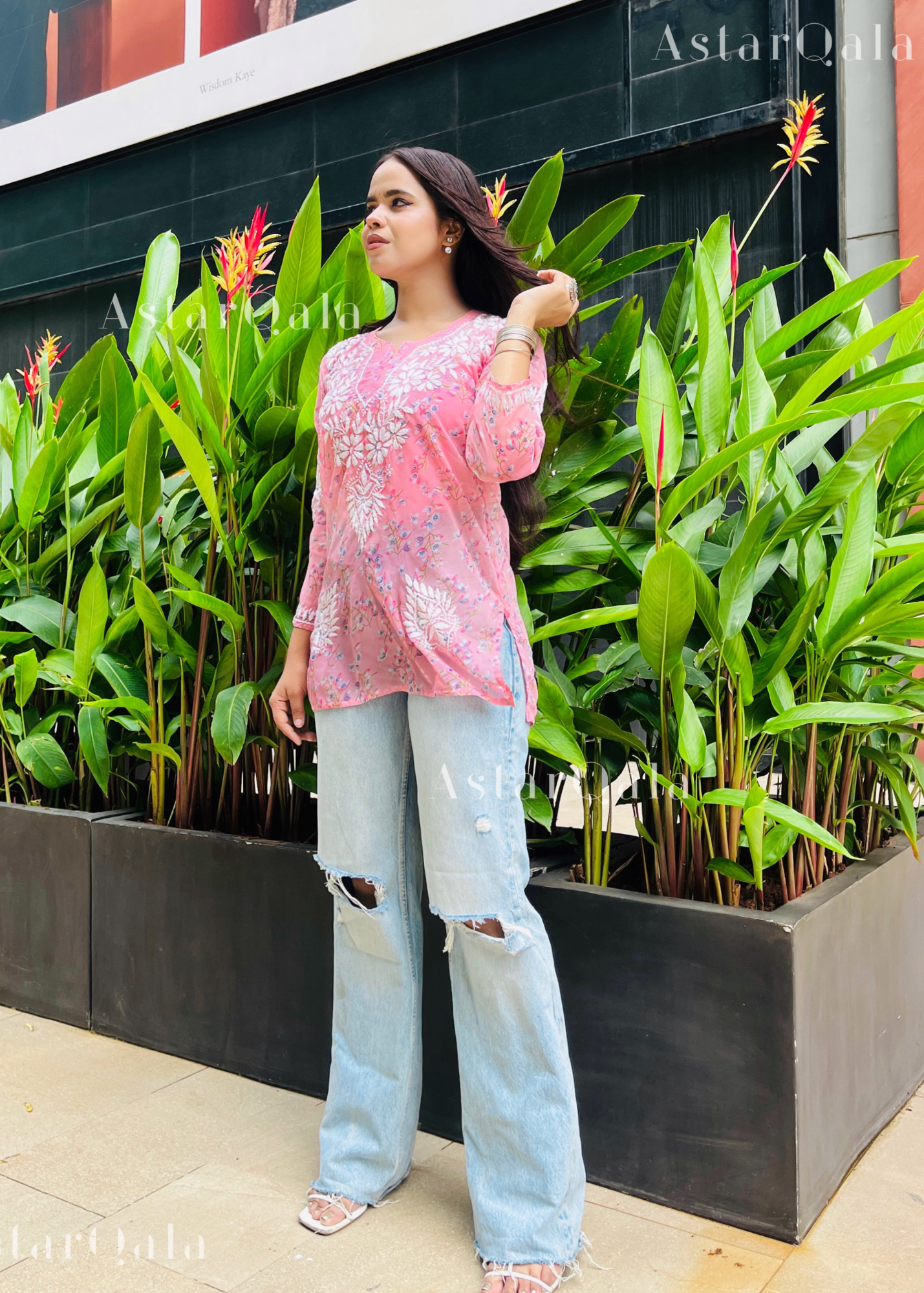


Chikankari, the exquisite art of delicate embroidery, has been enchanting the world with its timeless beauty and intricate craftsmanship for centuries. At AstarQala, we take immense pride in preserving and promoting this age-old tradition, originating from the culturally rich city of Lucknow, India. In this blog, we delve into the captivating history of Chikankari, a craft that has stood the test of time and continues to mesmerize fashion enthusiasts globally.
Origins in the City of Nawabs: The history of Chikankari traces back to the Mughal era, around the 3rd century BC, when the art form began to flourish in the royal courts of Lucknow. Under the patronage of the Mughal emperors, this delicate embroidery style flourished and gained popularity among the nobility and the wealthy.
Inspiration and Symbolism: Chikankari draws inspiration from various elements of nature, such as flowers, birds, and vines, which are delicately hand-embroidered onto fine fabric. Each intricate motif carries its own symbolism, often representing beauty, love, and prosperity.
The Influence of Persian Aesthetics: Persian influences are evident in Chikankari, owing to the historical ties between Persia and India. The use of fine threads, intricate stitches, and motifs resembling the graceful paisleys can be attributed to Persian aesthetics, adding a touch of refinement to this beautiful art form.
Royal Endorsement and Beyond: With royal patronage, Chikankari gained popularity and became synonymous with sophistication and luxury. However, over time, it transcended the royal courts and made its way into the hearts and wardrobes of people from all walks of life.
Evolution and Regional Variations: As Chikankari spread beyond the borders of Lucknow, it evolved and absorbed regional influences, giving rise to distinct styles. Lucknow, Hyderabad, Kolkata, and Delhi became prominent centers for the art, each contributing its unique flair to Chikankari.
Revival of Chikankari: The craft faced challenges during the British colonial period, but it experienced a revival during India's independence movement when Mahatma Gandhi encouraged the production of Chikankari as a means of promoting self-reliance and preserving traditional craftsmanship.
AstarQala's Endeavor: Preserving Heritage, Empowering Artisans: AstarQala takes the responsibility of preserving Chikankari's rich heritage seriously. By supporting and collaborating with skilled artisans, we strive to ensure the continuity of this beautiful craft, empowering local communities and providing a platform for their exceptional artistry to shine.
Contemporary Elegance: While cherishing the traditional techniques, AstarQala also embraces contemporary designs and styles, making Chikankari accessible to modern fashion enthusiasts worldwide. The fusion of age-old artistry with contemporary trends creates a unique and captivating appeal.
Conclusion: A Living Legacy: As we journey through the fascinating history of Chikankari, it becomes evident that this art form is much more than just embroidery; it is a living legacy of India's rich cultural heritage. AstarQala takes great pride in presenting Chikankari to the world, bridging the gap between tradition and modernity. We invite you to explore our collection and be a part of this captivating journey that celebrates the essence of elegance and timeless beauty.